










Martin Oaks
@martinrobles
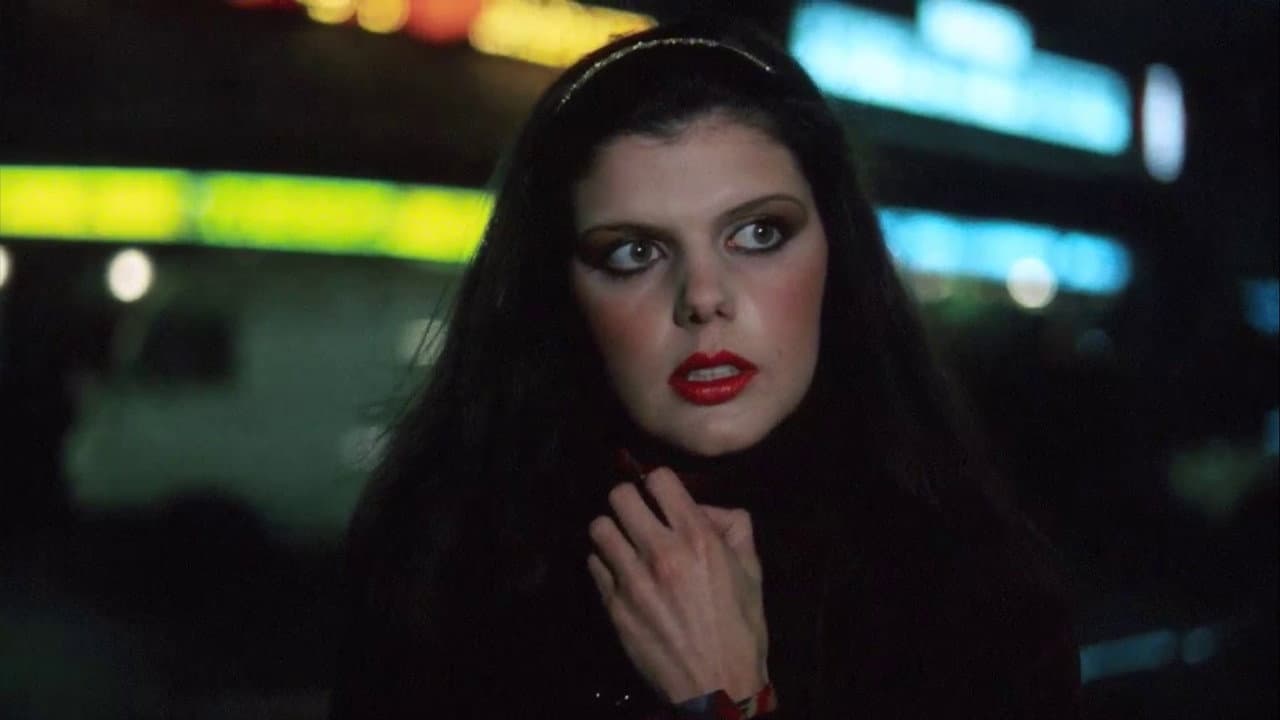
**Aesthetics, fetishism, and the bourgeoisie in the cinema of Alan Vydra** An enigmatic plot introduces us to the psychological transition of Caroline Grace, a young woman trapped in a monotonous, passionless marriage to an older, wealthy man. Her husband’s deeply conservative and repressed mindset forces her to wear modest, old-fashioned sleepwear, stifling any hint of eroticism. To cope with her profound frustration and marital apathy, Caroline begins to unleash her imagination through vivid, recurring sexual fantasies inspired by chance encounters in her daily life. Over the course of the film, her daydreams escalate in intensity, ranging from encounters with a Black bartender to a domestic maid, and leading down into underground basements packed with leather-clad bikers. Although she initially remains faithful to her husband in the real world, the boundaries between her mind and her actions begin to blur. A friend decides to step in and rescue her from her lethargy, introducing her to a swinging party. This event permanently shatters her marital barriers; "Happening" then maneuvers between the cold, uncomfortable interiors of the marital home and the wild eroticism of freedom outside. Caroline ends her journey physically liberated, yet plunged into a void of chronic existential dissatisfaction. Alan Vydra was a director whose core career spanned a brief but intense window between 1980 and 1983. Despite working in West German and Austrian adult cinema, his personal approach set him sharply apart from the mass productions of the era. Unlike the filmmakers who pivoted to video in the early 1980s, Vydra remained loyal to celluloid. His career was defined by his attempts to replicate the American Porno-Chic phenomenon (in the vein of "Behind the Green Door" or "The Opening of Misty Beethoven"), which was characterized by high production values, luxurious real locations, meticulously crafted cinematography, and a deliberate narrative pace. Vydra’s filmography includes a handful of titles interconnected by the very same obsessions: sexual dissatisfaction, leather fetishism, and the contrast between the high bourgeoisie and the criminal underworld. His most prominent feature, and one highly celebrated by cult cinema enthusiasts, is "Sadomania" (1983)—which bears no relation to the film of the same name by Jesús Franco. In it, the director refined his visual imagery with a distinctly '80s aesthetic, neon lights, and a heavy dose of sadomasochism, shot with an almost surgical coldness. The auteur’s relevance faded as quickly as it had emerged due to a technological paradigm shift. By 1983, the adult theatrical market had been dealt a fatal blow by VHS. Vydra, who conceived his films for the big screen and with a distinct visual language of his own, did not fit into the quick, cheap production model demanded by home video, leading to his retirement from directing that same year.