




T
tmdb37548952
@tmdb37548952
7/10
Ozu dark mode. Color surprisingly got him painting characters with a different pallete and they all shady except the mom. Suppose it reflects a different era but quite entertaining
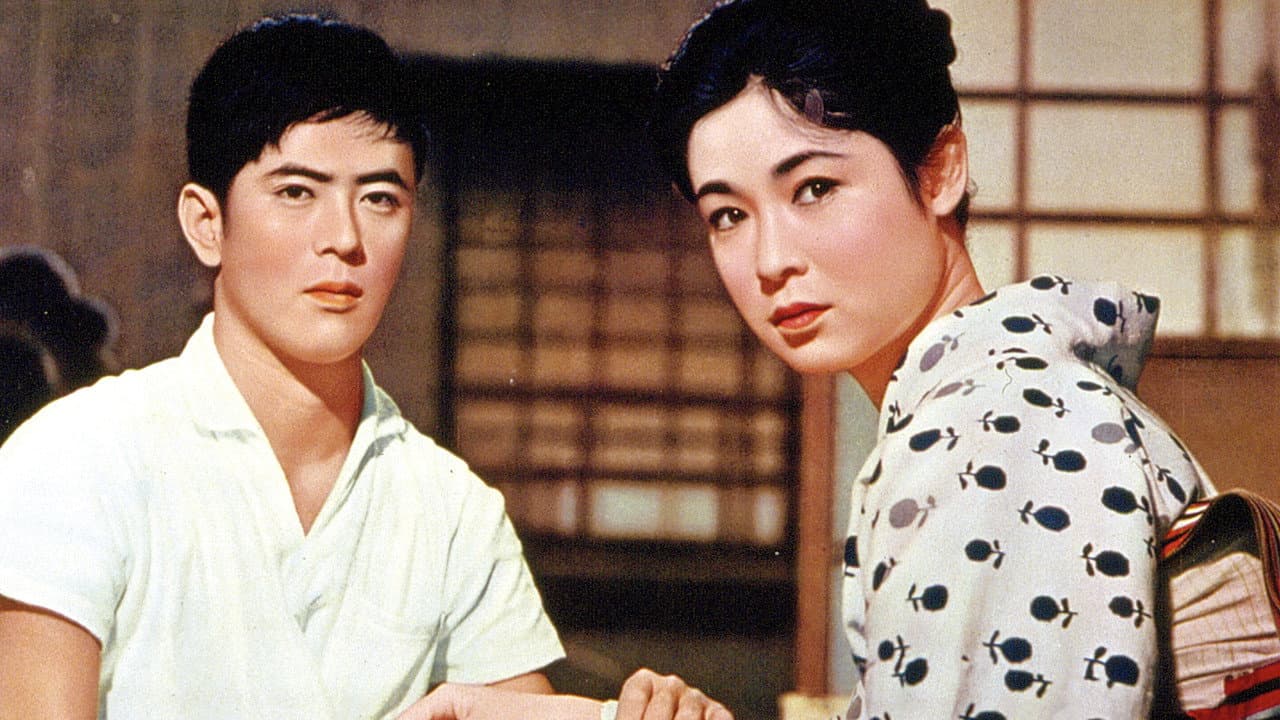
 Floating Weeds
A theater troupe master's visit with his old flame unintentionally sets off a chain of unexpected events with devastating consequences.
DirectorYasujirō Ozu
WritersYasujirō Ozu, Kōgo Noda, Tadao Ikeda
tmdb37548952
@tmdb37548952
Ozu dark mode. Color surprisingly got him painting characters with a different pallete and they all shady except the mom. Suppose it reflects a different era but quite entertaining
badelf
@badelf
**Summary: 8/10: a meta-theatrical morality tale about lies and consequence, elevated by Kazuo Miyagawa's stunning cinematography that frames life itself as theater, blurring the line between performance and authenticity with visual precision that remains impressive nearly seven decades later.** When a great lie comes home to roost, the owner of that lie may not be prepared for all the consequences. That's the moral engine driving Yasujiro Ozu's *Floating Weeds*, a 1959 color remake of his own 1934 silent film, and it carries the weight of classical Japanese morality from that era: duty, honor, and the debts we accumulate through our choices. What elevates this morality tale into something more complex is Ozu's meta-theatrical structure. The film follows a troupe of itinerant kabuki actors whose performances are, to put it charitably, mediocre. But the truly fascinating element is how that bad acting bleeds into their lives in the seaside village where aging troupe leader Komajuro reunites with his former lover and their illegitimate son. The line between theater and life disappears; these actors tend to perform even when the curtain is down, delivering their emotional crises with the same strained sincerity they bring to the stage. It's a brilliant observation about people who've spent so long pretending that authenticity becomes another role, badly played. But what makes *Floating Weeds* essential viewing, what allows it to transcend its potentially maudlin setup, is the cinematography of Kazuo Miyagawa, who shot Kurosawa's *Rashomon*. In what scholar Donald Richie called "the most pictorially beautiful of all of Ozu's pictures," Miyagawa doesn't simply photograph the story; he reinforces the meta-theatrical architecture through every composition. The framing is consistently square and symmetrical, staging the village itself as if it were a proscenium stage rather than a lived-in location. There's a stunning sequence where Komajuro and his current mistress Sumiko argue across a rain-soaked courtyard, each positioned under a separate eave. The composition honors an ancient theatrical principle: distance creates tension. By keeping the characters physically separated within the frame, Miyagawa and Ozu make the emotional chasm between them palpable, visible. In another scene, young lovers Kayo and Kiyoshi occupy what feels like a deliberately constructed stage set, their bodies leaning at precisely the same angle, a visual rhyme that suggests both connection and the rehearsed quality of romantic gesture. This is brilliant cinematography for any era, but particularly impressive for 1959, when Miyagawa was helping to define Ozu's distinctive low-angle, deep-focus aesthetic that would become synonymous with his late-period work. The collaboration between Ozu and Miyagawa was unusual; the director had temporarily separated from his regular crew to make this film for Daiei after completing his contract obligations to Shochiku. The result feels both quintessentially Ozu in its thematic concerns (family secrets, generational distance, the costs of deception) and visually distinct from his more famous Tokyo films. The seaside setting, captured in gorgeous color, provides a backdrop of natural beauty against which human failings play out in miniature. This is a film about performers who can't stop performing, photographed with such theatrical precision that we're always aware we're watching a constructed world. That doubling, that self-awareness, gives *Floating Weeds* a melancholy richness that simple melodrama could never achieve. The lie at the film's center isn't just Komajuro's secret; it's the lie of theater itself, the pretense that we can separate our staged selves from our authentic ones. Ozu and Miyagawa suggest we can't, and that the effort to do so is its own kind of tragedy.