Episode 1
Jan 1, 1996
No description available.
Episode 2
Jan 8, 1996
No description available.
Episode 3
Jan 15, 1996
No description available.
Episode 4
Jan 22, 1996
No description available.
Episode 5
Jan 29, 1996
No description available.
Episode 6
Feb 5, 1996
No description available.
Episode 7
Feb 12, 1996
No description available.
Episode 8
Feb 19, 1996
No description available.
Episode 9
Feb 26, 1996
No description available.
Episode 10
Mar 4, 1996
No description available.
Episode 11
Mar 11, 1996
No description available.
Episode 12
Mar 18, 1996
No description available.
Episode 13
Mar 25, 1996
No description available.
Episode 14
Apr 1, 1996
No description available.
Episode 15
Apr 8, 1996
No description available.
Episode 16
Apr 15, 1996
No description available.
Episode 17
Apr 22, 1996
No description available.
Episode 18
Apr 29, 1996
No description available.
Episode 19
May 6, 1996
No description available.
Episode 20
May 13, 1996
No description available.
Episode 21
May 20, 1996
No description available.
Episode 22
May 27, 1996
No description available.
Episode 23
Jun 3, 1996
No description available.
Episode 24
Jun 10, 1996
No description available.
Episode 25
Jun 17, 1996
No description available.
Episode 26
Jun 24, 1996
No description available.
Episode 27
Jul 1, 1996
No description available.
Episode 28
Jul 8, 1996
No description available.
Episode 29
Jul 15, 1996
No description available.
Episode 30
Jul 22, 1996
No description available.
DJ Translate
@trnsl8
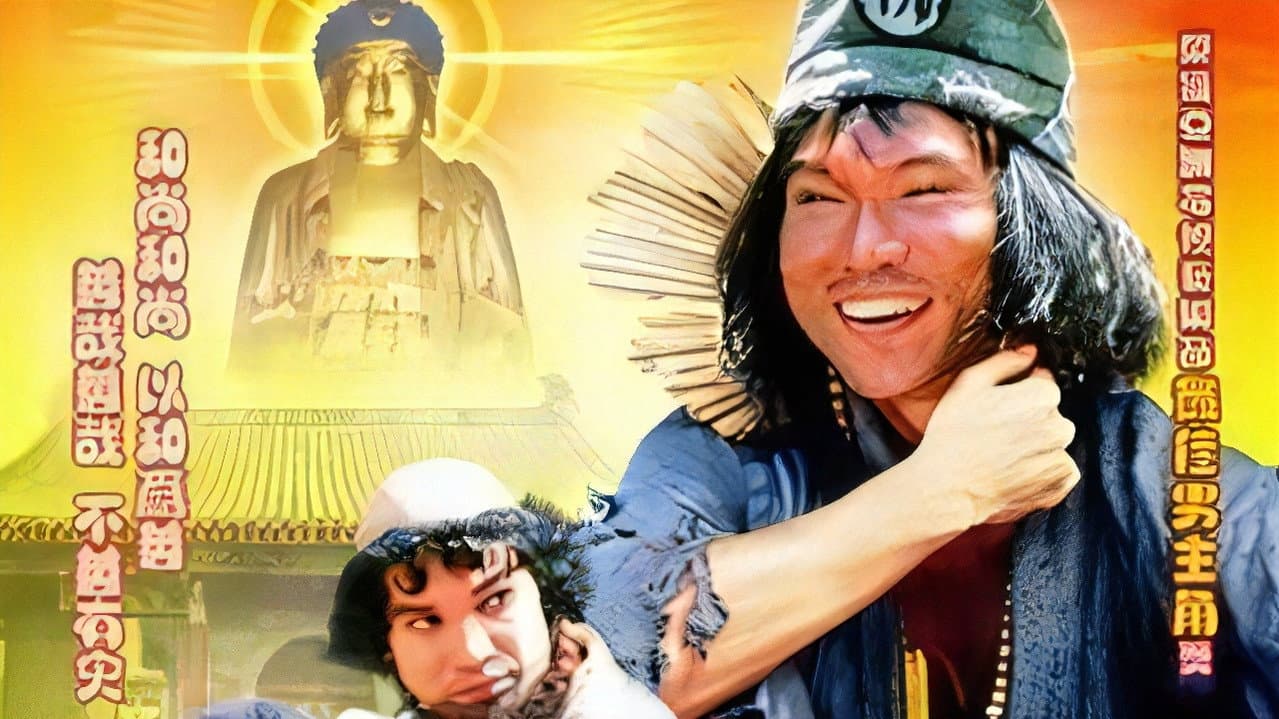
**HUGE SURPRISE SERIES** I was uninterested in the Ji-Gong mythology or parables and never knew why there were so many adaptations of this story. I came across different versions from China, Hong Kong, Taiwan and now this Singapore version. At my mid adult age I have a new appreciation for this story because of the parables that come with it. It's like the Chinese version of Mulla Nasrudin (also known as Nasreddin Hodja) from the middle east, mediterranean and central Asia. This review will provide some context to this base story/legend, what made this version capture my attention and why it's a classic series for Chinese speakers. Ji-gong, who's also known as the "Crazy/Mad Monk" follows a 12th-century Buddhist monk from the Song Dynasty named Li Xiuyuan, who was famed for his tattered robes and unconventional love for meat and wine. Regarded as an incarnation of the Dragon-Monk Arhat from the Heavens, he roamed the earth as a compassionate "living Buddha," using supernatural powers to heal the sick and protect the poor. He is most famous for his "mad" or unconventional interventions to save lives—such as the time he kidnapped a bride during her wedding just to lure an entire village away from a mountain seconds before it collapsed in a landslide. The different adaptations have different reasons why the Lo-Han Dragon Monk Arhat from the heavens gets put back on earth. This Singapore version begins with the first 4 episodes in the Heavenly Realm where Ji-Gong’s divine form, the Dragon-Monk Arhat, fails on a misison to recover his student "Golden Child" or Jin-Tong, and his pet tiger angel who escapes the heavens to create problems on earth. The Emperess of the Heavens form of punishment for the Dragon Arhat is to sent to the mortal world as Li Xiuyuan to help mortals as the "Mad-Monk" Ji-Gong. Thats where all the adventures begin and complete in the series. This particular version from Mediacorp was very poignant because Mediacorp is a government invested media station and production company. Thus the writers and producers they hired in this time frame from Taiwan, and Hong Kong had crafted excellent plots and stories with government monitoring. This doesn't mean it's bad or good, but having this context in mind made the show that much more interesting. Morals, patriotism, family and righteous values are stamped on every minute of the series. I enjoyed every moment of it because the performance from the actors, the soundtrack, production design and post production nailed EVERYTHING down for that 90's era creation. There are it's cheesy moments, but that's their interpretation for family humor. If you're a Chinese speaker or are into Chinese television series and want to absorb more Chinese philosophy, I recommend checking out Mediacorp's Legend of Ji-Gong. Enjoy!