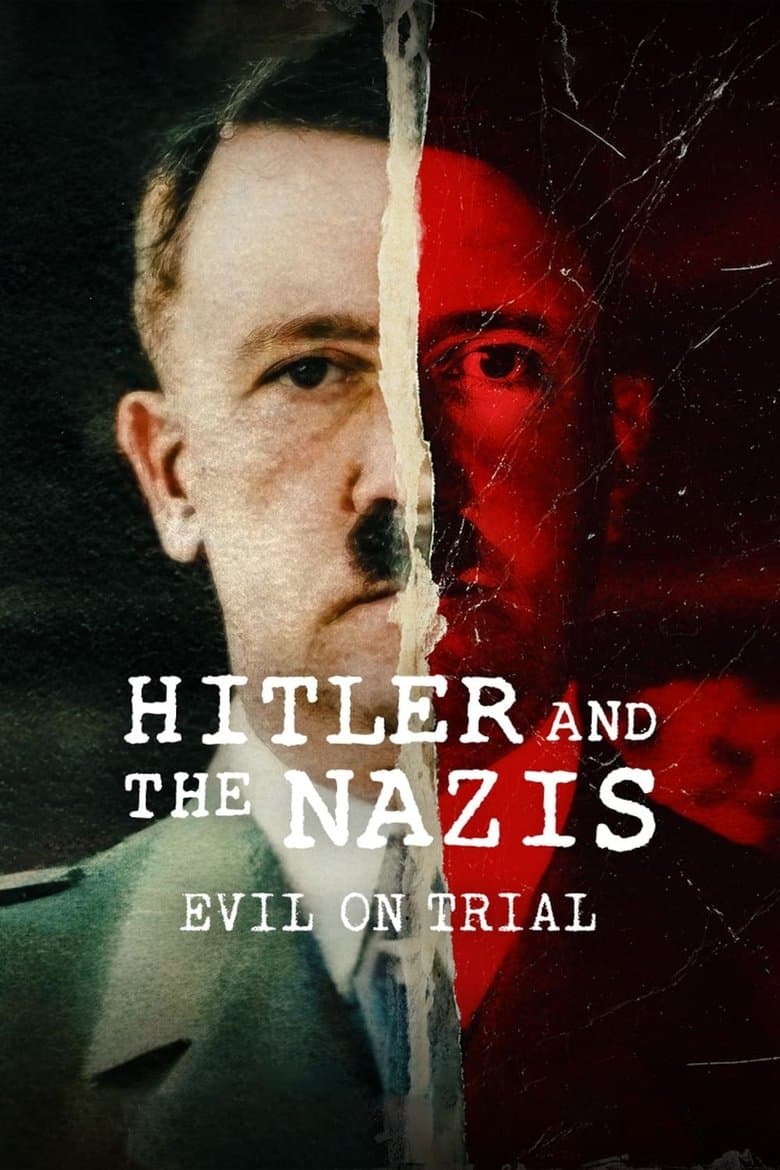
The series explores the social and political landscape of Germany in the 1970s, covering topics such as rebellion, social change, and political turmoil. Each episode is approximately 43 minutes long and covers a specific aspect of the decade.
DirectorsJobst Knigge, Anke Rebbert, Martin Herzog, Lukas Hoffmann
WritersJobst Knigge, Nicole Kraack, Anke Rebbert, Martin Herzog, Lukas Hoffmann, Frank Diederichs

Als das Wetter verrücktspielte - 1970
Aug 11, 2017
In “When the Weather Went Crazy – 1970,” WDR and BROADVIEW TV will take a look at Germany in 1970 on August 11, 2017, starting at 8:15 p.m. Actress Esther Schweins was born in Oberhausen that year and recounts an exciting and entertaining journey through the year of her birth.
Das Jahr der Skandale - 1971
Aug 18, 2017
As recently as that winter, soccer fans in the Bundesliga stadiums of West Germany were watching what they thought were completely fair and above-board games—or so they believed. But in 1971, the bombshell dropped: The Bundesliga scandal involving a large number of fixed games sowed mistrust. In the second episode of its new ten-part documentary series, WDR shows how scandals shook the country and how our nation emerged stronger as a result.

Als wir nach den Sternen griffen - 1972
Aug 25, 2017
In 1972, North Rhine-Westphalia reached for the stars—it was to be a year full of soaring heights and high achievers—a journey to new horizons. A girl from Essen made it onto the German charts—and in the Eifel region, they built the largest “ear” pointing toward space. The third episode of this ten-part documentary series shows that North Rhine-Westphalia achieved feats that were nothing short of record-breaking, even by global standards!

Dicke Luft und frischer Wind - 1973
Sep 1, 2017
In 1973, North Rhine-Westphalia was really in full swing: Tension was in the air, and a breath of fresh air was sweeping through our state. The fourth episode of the ten-part documentary series on the 1970s in North Rhine-Westphalia shows how thick fog, legendary hit TV shows, and a singing foreign minister shaped the spirit of 1973.
Als wir unschlagbar waren - 1974
Sep 8, 2017
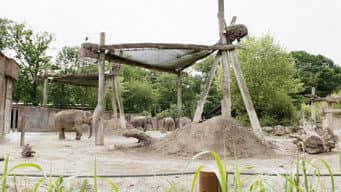
In the summer of 1974, life in our state really took off. Everything became more colorful, more international, more passionate. The world came to North Rhine-Westphalia for the World Cup. The fourth film in the ten-part documentary series about the 1970s in North Rhine-Westphalia tells the story of a time when people could buy tickets to the final for 15 DM and stood in line all night to get them—a year when we were unbeatable.

Das Jahr der Frau - 1975
Sep 15, 2017
1975—the midpoint of this eventful decade. And: a year of strong women. No wonder—after all, it was the International Women’s Year. The first time it had been proclaimed, by the UN. Thus, the sixth film in the ten-part WDR series on the spirit of the ’70s in North Rhine-Westphalia focuses on women and their stories. Women like Florence Hervé, a student from Bonn, who took to the streets to protest because they refused to accept that—unlike in their native France—family and career should be mutually exclusive for women in Germany.
Das Jahr der Helden - 1976
Sep 22, 2017
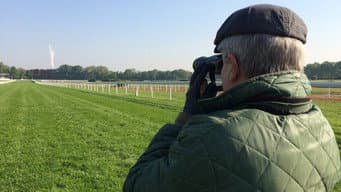
Whether it was Pierre Brice in the Sauerland, Otto Rehhagel at BVB, or Annegret Richter at the Olympics, 1976 brought not only the hottest summer but also plenty of heroic tales. Jochen Bludau once again slipped into the role of Old Shatterhand: in 1976, he brought the original Winnetou, Pierre Brice, to the Karl May Festival in Elspe. For 10 years, Bludau and the people of the Sauerland performed alongside the world-famous star Brice.
Im Zeichen des Terrors - 1977
Sep 29, 2017
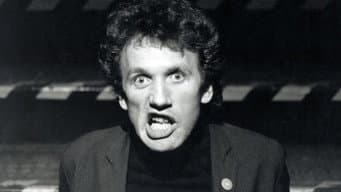
Many wonderful events took place in 1977, but in the end, the RAF’s bloody reign of terror cast a shadow over the year. The Schleyer kidnapping in Cologne marked the beginning of the “Hot Autumn,” which would change our country.
Rebellion mit Minipli - 1978
Oct 6, 2017
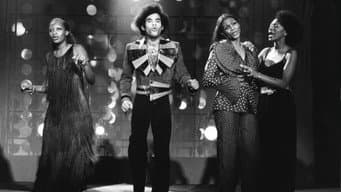
1978 is a year marked by lots of dancing and protesting. For music-loving young people, it’s a great year. The disco craze sweeps across the country, and new nightclubs with light shows and fog machines pop up everywhere. “Who Can Dance Like John Travolta?”—that’s the name of a dance competition in which the Kahl brothers are also participating. Like their idol John Travolta in the movie “Saturday Night Fever,” they, too, come from a working-class background and dream of becoming famous.

Alles neu - 1979
Oct 13, 2017
1979, the year that marked the dawn of a new era. Moving away from disco music, the Neue Deutsche Welle emerged. Although its artists sang in German, they had nothing in common with the old Schlager music.