 The World at War
A documentary series that gives a historical account of the events of World War II, from its roots in the 1920s to the aftermath and the lives it profoundly influenced.
DirectorsHugh Ragett, Peter Batty

A New Germany (1933–1939)
Oct 31, 1973
Germany, a nation stricken by humiliating defeat and emerging from crippling economic depression, looks to one man for a resurgence of hope and dignity. That man is Adolf Hitler…

Distant War (September 1939–May 1940)
Nov 7, 1973
In Eastern Europe, the full force of the Nazi machine rolls on - but in Britain, an uneasy calm settles on the nation. It is the 'phoney' war, with the sound of distant guns thundering ominously on the horizon…
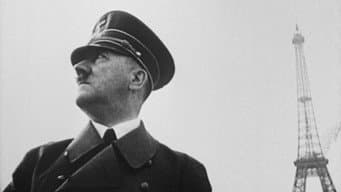
France Falls (May–June 1940)
Nov 14, 1973
France discovers it is woefully unprepared for modern warfare as the Nazi war machine easily skirts around the Maginot Line. Britain retreats and prepares for invasion.

Alone (May 1940–May 1941)
Nov 21, 1973
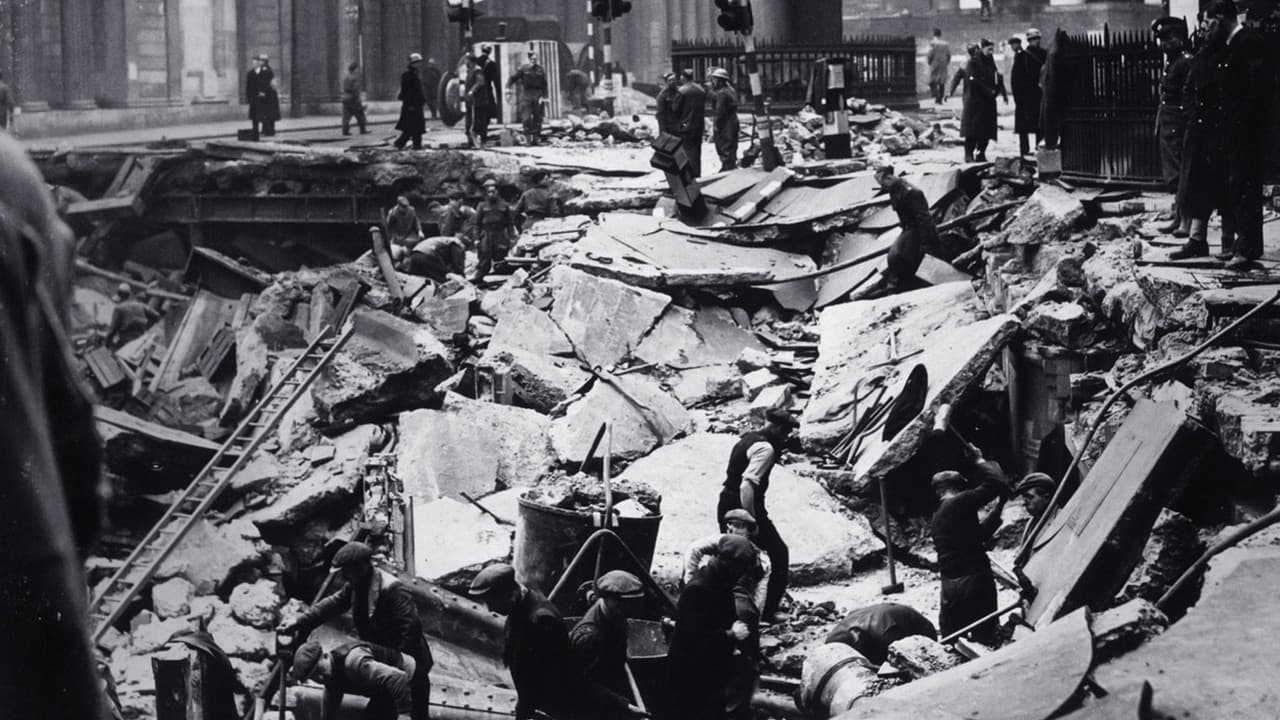
After Dunkirk, Britain faces the German onslaught. Although the RAF wins the Battle of Britain, the cities are blitzed and on the continent, the last Allies are conquered. The outlook is grim.

Barbarossa (June–December 1941)
Nov 28, 1973
Hitler at last turns his tanks towards Russia. After a succession of devastating victories, the Germans delay and the fierce Russian winter takes a grip.
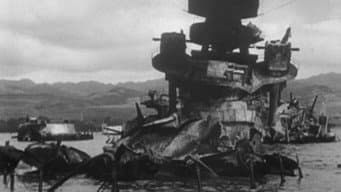
Banzai! Japan (1931–1942)
Dec 5, 1973
At war since 1931 on the Chinese mainland, the Japanese hope for easy victories over the British and Dutch. And then on December 7th 1941, Japan makes their infamous attack on Pearl Harbour.
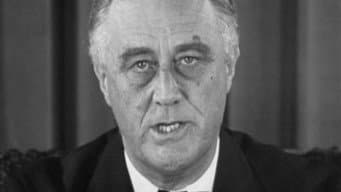
On Our Way: U.S.A. (1939–1942)
Dec 12, 1973
Americans are divided between fighting the Japanese and the Nazis. Hitler solves the problem by declaring war on the U.S.A.

The Desert: North Africa (1940–1943)
Dec 19, 1973
For 2 years the 8th Army and Rommel's Afrika Corps fight in the wastes of North Africa. Finally the tide turns at El Alamein.
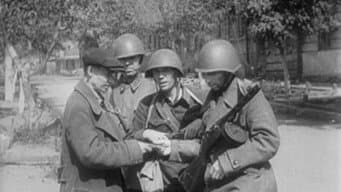
Stalingrad (June 1942-February 1943)
Jan 2, 1974
Hitler's early successes in Russia made him reckless and he resolves to capture Stalingrad. The battle lasts six months with the Russians emerging as victors. The Wehrmacht never recovers.
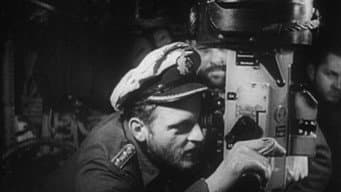
Wolfpack: U-Boats in the Atlantic (1939–1944)
Jan 16, 1974
In a war of high technology and animal courage, the German U-Boats fight Allied merchantmen, hounding them in packs.
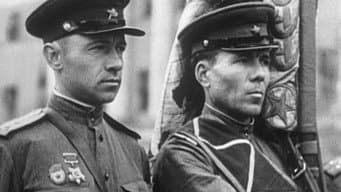
Red Star: The Soviet Union (1941–1943)
Jan 23, 1974
For two years the Soviet Army fights the Germans almost alone. After one of the greatest land battles in history, the nation survives and triumphs - but with a loss of no less than twenty million of its people.

Whirlwind: Bombing Germany (September 1939–April 1944)
Jan 30, 1974
Bomber Command begin bombing German cities by night and the Americans reinforce the attacks by day; a whirlwind of terror and destruction that will win the war.

Tough Old Gut: Italy (November 1942-June 1944)
Jan 30, 1974
Churchill called Italy the 'soft underbelly of the crocodile' and thought the Allies could cut through it to the heart of Germany. By the soft underbelly turned out to be a 'tough old gut'.
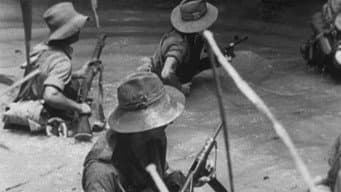
It's a Lovely Day Tomorrow: Burma (1942–1944)
Feb 13, 1974
Vera Lynn sang of a lovely day tomorrow, but the war in Burma was mud and monsoon. Britain's largest army learned to master the jungle and fought the Japanese to standstill.
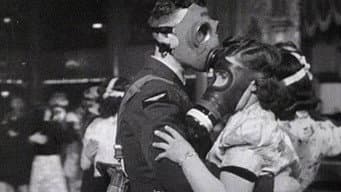
Home Fires: Britain (1940–1944)
Feb 20, 1974
Finding strength in unity at home in Britain during the war, it was a time of gas masks, Winston Churchill, Dig for Victory, evacuation, George Formby, the Land Army, ITMA, the Squander Bug and the Beveridge Report.
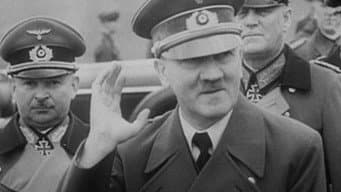
Inside the Reich: Germany (1940–1944)
Feb 27, 1974
Initial victory in Europe turns sour after the defeat at Stalingrad, yet Germany prepares to fight to the end - even after an assassination attempt on the Führer.

Morning (June–August 1944)
Mar 6, 1974
The Western Allies resolve to invade Europe. England becomes a floating supply dump and the British and Americans assemble the largest invasion fleet in history. It is June 6th 1944 - D Day.

Occupation: Holland (1940–1944)
Mar 13, 1974
Through a neutral country, Holland is attacked by Germany without warning in 1940. During the next four years, life carries on seemingly without incident, but underneath resistance never dies.
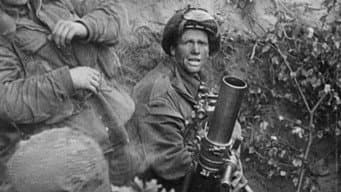
Pincers (August 1944–March 1945)
Mar 20, 1974
The end of the war appears close at hand with the liberation of Paris in 1944, but the British and Americans disagree on how to advance. Meanwhile, Poland suffers devastating losses to achieve victory.
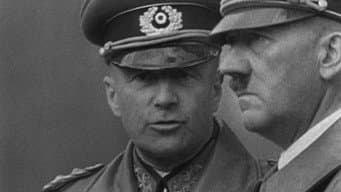
Genocide (1941–1945)
Mar 27, 1974
The Nazi's are racist; the Aryans are a master race, others, particularly the Jews are sub-human. Himmler's SS sets about ridding Europe of millions of Jews.
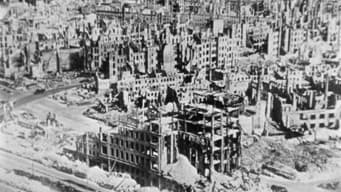
Nemesis (February–May 1945)
Apr 3, 1974
Hitler retreats to the Fuhrer bunker is Berlin as Germany crumbles around him and his lieutenants abandon him to a fate of suicide. Meanwhile, the Russians raise the red flag in Berlin.
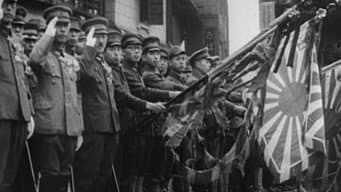
Japan (1941–1945)
Apr 10, 1974
Initially apprehensive about the outcome of declaring war, the Japanese quickly turn to celebration with early victory. In the end, their worst fears are unimaginably exceeded.
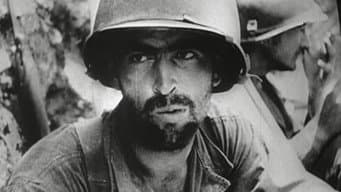
Pacific - The Island to Island War (February 1942–July 1945)
Apr 17, 1974
The Americans fight their way across the Pacific towards Japan and the Phillipines. Perhaps the bloodiest campaign of all, each island has to be taken by storm and the Japanese fight to the last man.
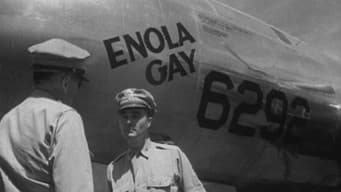
The Atomic Bomb (February–September 1945)
Apr 24, 1974
Western scientists have developed a new, immensely powerful weapon - the atomic bomb. On August 6th 1945, the Enola Gay delivers the world's first atomic bomb to Hiroshima. The world would be forever altered.

Reckoning (April 1945)
May 1, 1974
The war ends slowly and messily. Britain is victorious but exhausted and the super-powers confront each other as they decide the fate of Europe.

Remember
May 8, 1974
For many the Second World War was the most significant experience of their lives. Heartbreaking first hand remembrances from a vast array of survivors on both sides of the war.

SWITCH.
@maketheSWITCH
I'd been keen to tackle 'The World at War' for years, even despite its length and age, but I was not at all prepared for how contemporary and powerful an experience it would be. Of course, there are gaps in the story that we've only been able to fill with time, but even after nearly fifty years, it's hard to imagine another documentary series doing a better job at capturing the full, furious scope of the Second World War. Its influence on documentary television is evident from the moment it begins, with its DNA evident even in the work of Ken Burns. 'The World at War' wholly deserves its reputation as a landmark series, and this preservation in the high definition format. - Daniel Lammin Read Daniel's full article... https://www.maketheswitch.com.au/article/review-the-world-at-war-the-landmark-documentary-series-restored-in-high-definition