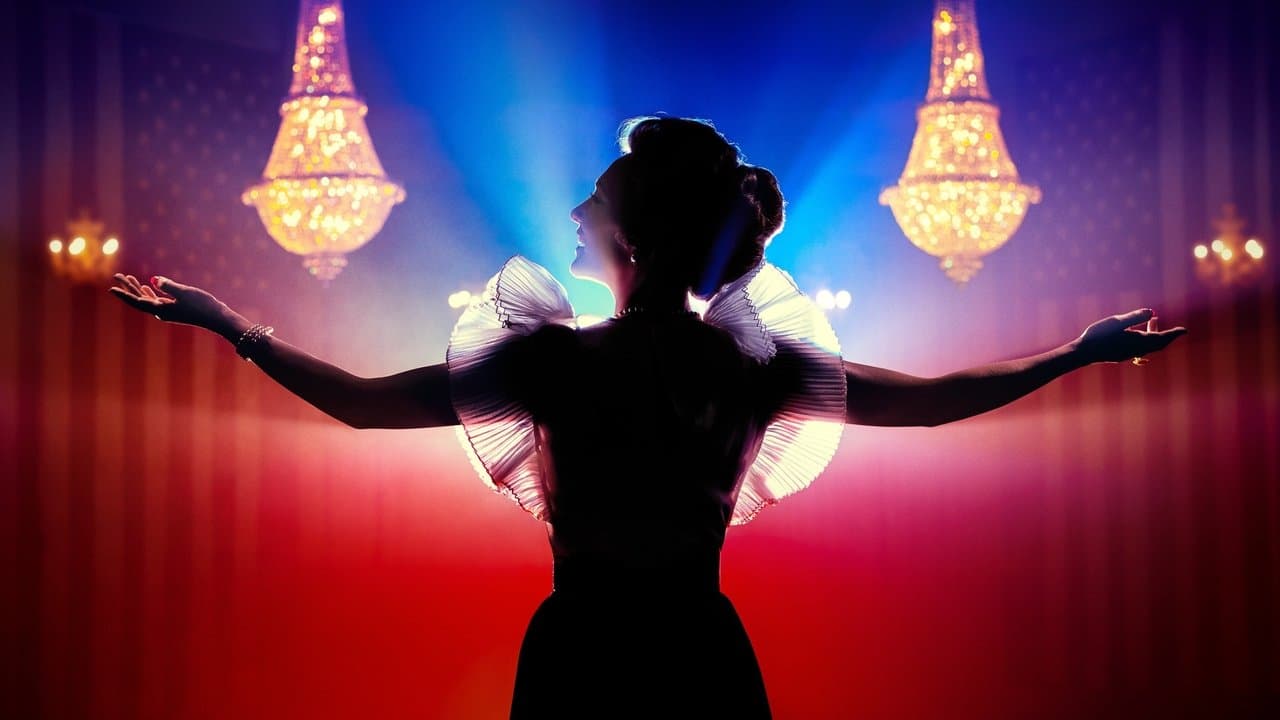
 Mrs. America
What happened to women helping women?
The true story of the movement to ratify the Equal Rights Amendment, and the unexpected backlash led by a conservative woman named Phyllis Schlafly, aka “the sweetheart of the silent majority.”
WriterJoshua Allen Griffith
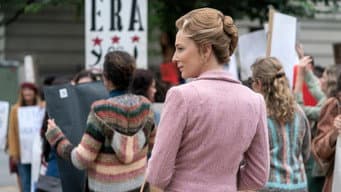
Phyllis
Apr 15, 2020
Conservative activist Phyllis Schlafly considers another run for Congress, amid the women's movement's push for passage of the Equal Rights Amendment.

Gloria
Apr 15, 2020
While Phyllis mobilizes grassroots support in her fight against the ERA, Gloria Steinem fends off Bella Abzug's attempts to drag her further into the political game.
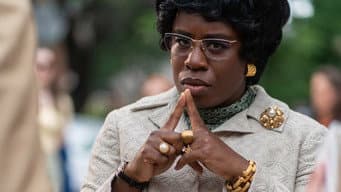
Shirley
Apr 15, 2020
Shirley Chisholm makes a historic run for president, while Gloria struggles to play politics at the DNC. Phyllis takes her new anti-ERA organization national.

Betty
Apr 22, 2020
As Stop ERA grows and gains media attention, Betty Friedan, the mother of the Feminist movement, makes it her mission to take down Phyllis.

Phyllis & Fred & Brenda & Marc
Apr 29, 2020
Phyllis and Fred Schlafly debate superstar Feminist couple Brenda and Marc Feigan-Fasteau on television.

Jill
May 6, 2020
With a pro-ERA Republican in the White House, Phyllis protests her own party, which puts her in conflict with Republican Feminist leader, Jill Ruckelshaus.
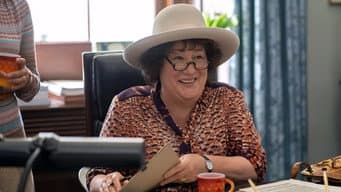
Bella
May 13, 2020
Bella is put in charge of the first ever government-funded National Women's Conference. Phyllis and her women clash over how to best disrupt the conference.

Houston
May 20, 2020
Alice, Rosemary and Pamela cross into enemy territory at the National Women's Conference in Houston, where they come face-to-face with Feminist leaders.
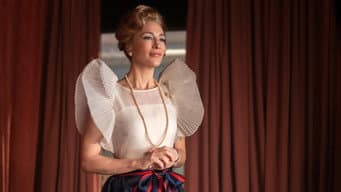
Reagan
May 27, 2020
Gloria, Bella and Jill put pressure on the White House to act on their proposals from the National Women's Conference. Phyllis prepares to leverage her political victories as the 1980 presidential election draws near.

Dedoc1967
@Dedoc1967
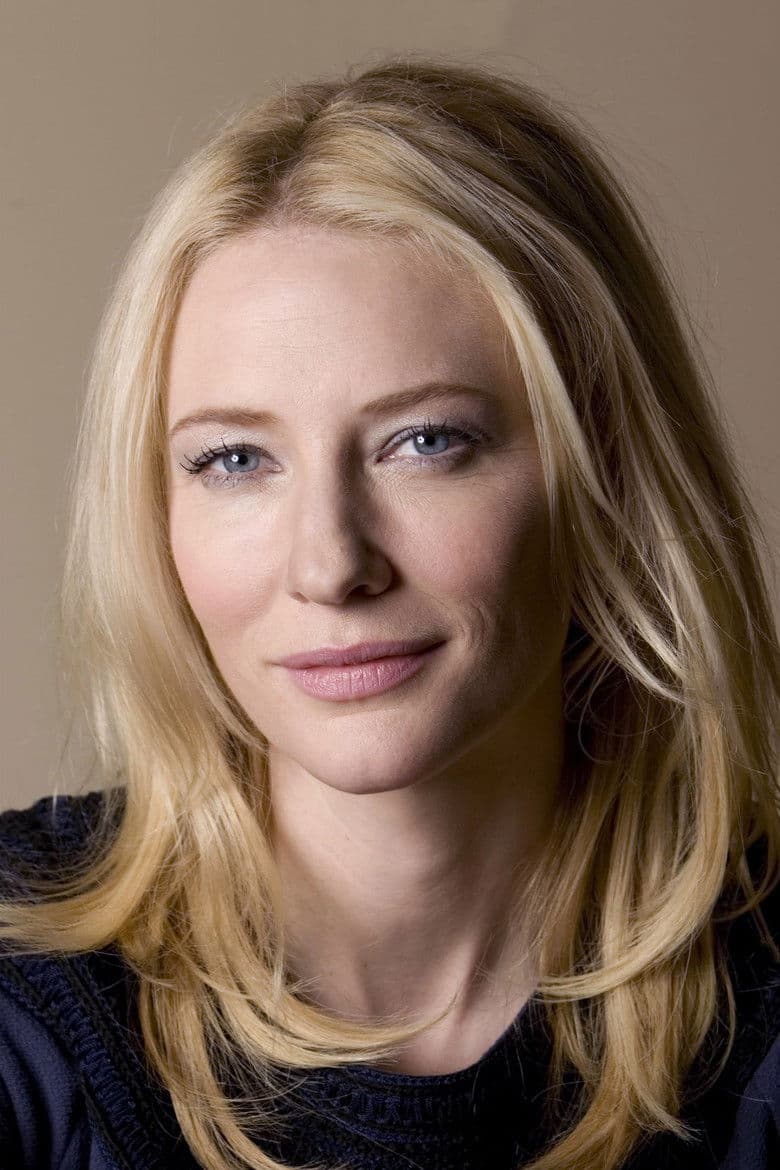
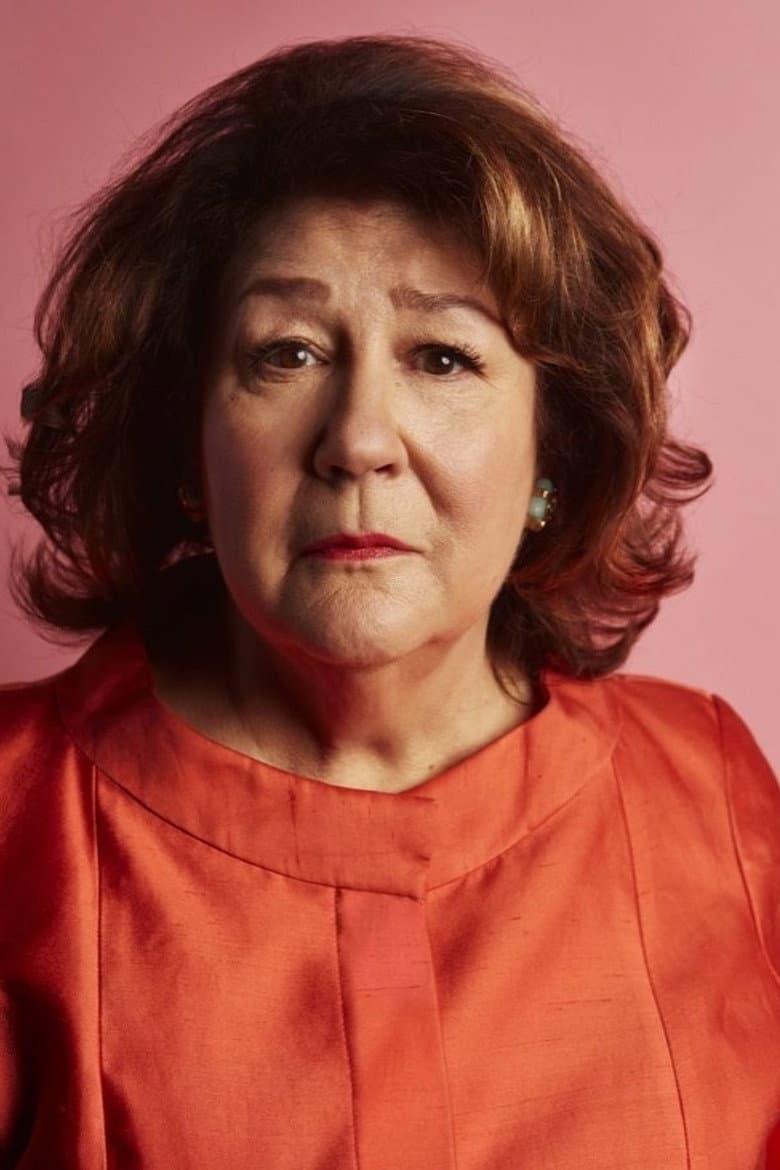
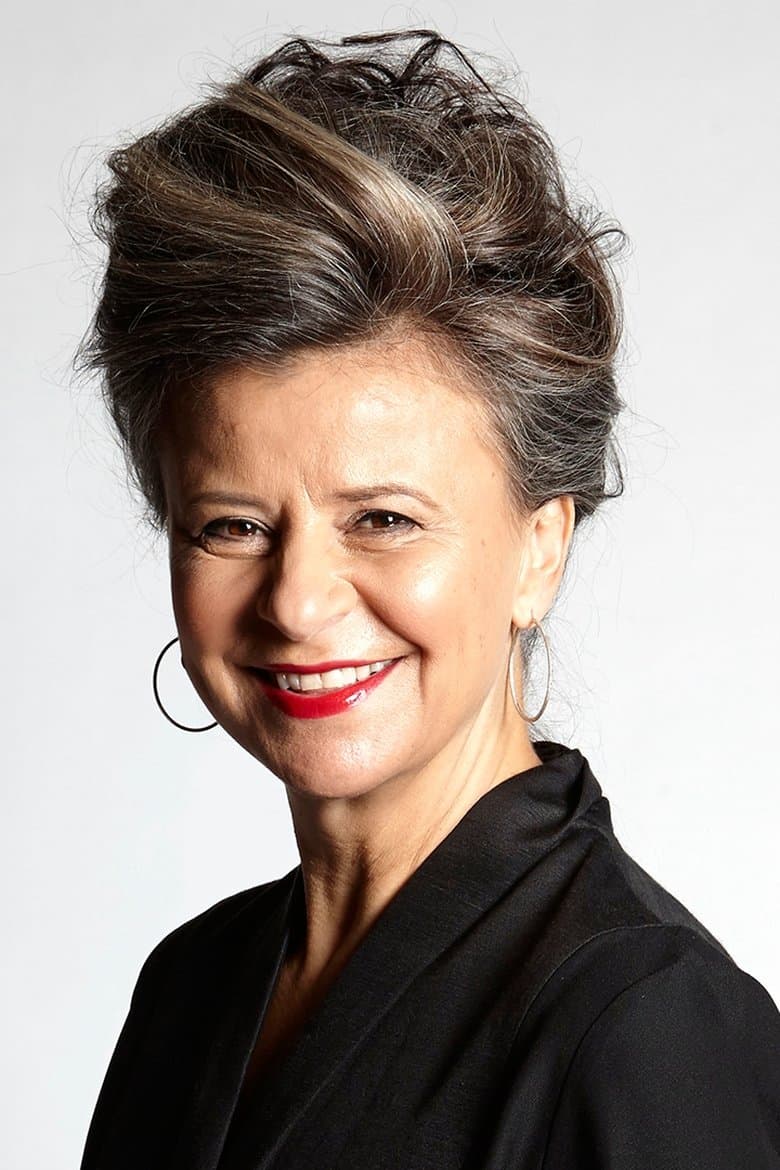
I was initially drawn to watching this limited series because the early 70s are a fascinating period to me (during which I was a child and have a spotty memory). I'm glad I did commit to the nine episodes, which are mostly 45 minutes to an hour long. First, the performances are amazing. I pretty much expect Cate Blanchett to be terrific in whatever she does, but the depth she brings to Schlafly is very moving. Rose Byrne disappears into Gloria Steinem, the underrated Tracey Ullman is perfect as irascible Betty Friedan, and the always wonderful Margo Martindale is a lot of fun as bellicose Bella Abzug. Second, the story weaves effectively between 6 or so main protagonists through several turbulent years yet it never feels like a "then this happened, then this happened" approach. The writing was smart and emotional. Truly a class A production. Where I felt it could have been better was a little more focus on Shirley Chisholm who seems a little short-changed (ironic, since under-representation vis a vis racism is a recurring issue). Her story is not only important as the first Black woman to run for President less than a decade after the repeal of Jim Crow laws, but clearly analogous to our current political times. Also, I came in expecting a Left Wing screed and while it does weigh more in that direction (Schlafly is seen at best as a tragic anti-hero), it did not come off as ham-fisted agitprop to me. The characters on the other side of the spectrum (most everyone) are also flawed; at times they are bitter, childish, indulgent, petty and surprise surprise even prejudiced. Another part of my enjoyment was the kitsch factor: the clothes, the music, a random reference to "Maude" (how could there not have been) and an amusing (but telling) comment by Friedan on how "Mary" never visits "Rhoda" in her apartment. Definitely recommend this to anyone who is interested in the the era and ERA - despite the dramatic liberties, that cast, and nostalgia for a very different time that feels very familiar still.